

Why Regular Socialization Is Important for Dogs of All Ages
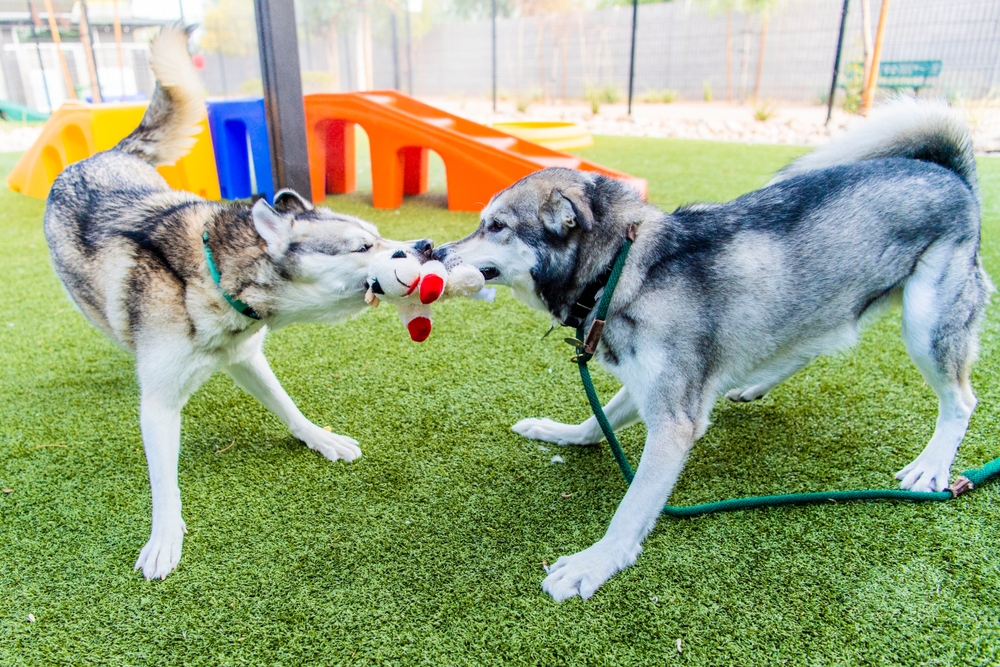
Dogs thrive when they have positive opportunities to interact with people, other dogs, and new environments. In a growing community like Bee Cave, TX, regular socialization helps dogs become more confident, better behaved, and more comfortable in everyday situations, whether they are visiting a local park, walking through the neighborhood, or meeting guests at home.
Quick Answer
Regular socialization is important for dogs of all ages because it helps build confidence, reduces fear and anxiety, encourages appropriate behavior around people and other animals, and supports lifelong mental and emotional well-being. Puppies benefit from early positive experiences, while adult and senior dogs continue to gain from safe, structured social interactions that keep their minds active and their behavior well balanced.
What Local Readers Should Know
-
Dogs in Bee Cave, TX often encounter busy community spaces, walking trails, and outdoor gathering areas, making good social skills especially valuable.
-
Positive socialization should happen gradually and always focus on creating enjoyable experiences rather than forcing interactions.
-
Even older dogs can become more confident and adaptable through consistent, age-appropriate social opportunities.
-
Nearby communities like Lakeway, Spicewood, and Dripping Springs offer a variety of pet-friendly environments that can introduce dogs to new sights, sounds, and people.
-
Regular social experiences can help make veterinary visits, grooming appointments, and boarding less stressful.
Why This Matters Locally
Regular socialization is especially valuable in Bee Cave because many families enjoy an active outdoor lifestyle. Local residents frequently visit places such as the Hill Country Galleria, neighborhood walking paths, community parks, and pet-friendly patios throughout Travis County. Dogs that are comfortable around unfamiliar people, children, bicycles, and other pets are more likely to enjoy these outings safely and confidently.
Changing weather throughout the Texas Hill Country also creates opportunities to expose dogs to different environments across the seasons. From warm summer evenings to cooler fall mornings, experiencing a variety of situations helps dogs remain adaptable instead of becoming anxious when routines change.
At Just Four Paws, we believe socialization is not something dogs outgrow. We help dogs continue building positive experiences throughout every stage of life so they can become confident companions wherever life takes them.
Local Field Observations
Professional trainers frequently observe that many behavior challenges develop not because dogs are aggressive, but because they lack positive experiences in unfamiliar situations. Dogs that rarely meet new people or encounter different environments may become nervous when routines suddenly change.
In the Bee Cave area, growing neighborhoods, increased pedestrian traffic, and popular outdoor destinations mean dogs regularly encounter new experiences. Ongoing socialization helps prepare them for these everyday situations before they become overwhelming.
Local Impact
Poor socialization can affect much more than neighborhood walks.
Dogs that struggle around unfamiliar people or other animals may avoid enjoyable activities, become stressed during veterinary appointments, resist grooming, or experience anxiety during boarding. Owners may also feel limited in where they can safely bring their pets.
Well-socialized dogs are generally more relaxed during everyday experiences, making life easier for both the dog and the family.
Warning Signs Your Dog May Need More Socialization
Regular socialization may be beneficial if your dog:
-
Becomes fearful around unfamiliar people.
-
Barks excessively when seeing other dogs.
-
Pulls away from new environments.
-
Hides behind family members during outings.
-
Reacts nervously to unfamiliar noises.
-
Shows excessive excitement around every new dog.
-
Struggles to settle after meeting visitors.
-
Appears anxious during walks in busy areas.
These behaviors do not necessarily mean a dog is aggressive. In many cases, they indicate uncertainty that can often improve with patient, positive social experiences.
When to Seek Professional Guidance
Professional guidance is recommended when a dog’s fear or reactivity makes everyday situations difficult or potentially unsafe.
Owners can safely introduce controlled new experiences, reward calm behavior, and gradually increase exposure to different environments. However, if a dog consistently lunges, growls, panics, or cannot recover after stressful encounters, structured training and supervised socialization provide a safer path forward.
Early intervention often leads to better long-term progress than waiting for unwanted behaviors to become established.
Common Local Causes of Limited Socialization
Several factors can reduce social opportunities for dogs in Bee Cave and surrounding communities.
Limited Early Experiences
Puppies that spend little time meeting new people, friendly dogs, or experiencing different environments may struggle later in life.
Lifestyle Changes
Moving to a new neighborhood, changes in family routines, or working from home can unintentionally reduce a dog’s regular exposure to new situations.
Negative Past Experiences
One frightening interaction can make some dogs hesitant to approach unfamiliar people or dogs without careful rebuilding of confidence.
Age-Related Changes
Senior dogs sometimes become more cautious as their hearing, vision, or mobility changes, making gradual socialization even more important.
Prevention and Maintenance
Socialization works best when it becomes part of a dog’s regular routine rather than a one-time event.
Helpful habits include:
-
Taking regular walks through different neighborhoods around Bee Cave.
-
Visiting pet-friendly outdoor spaces during quieter times.
-
Scheduling positive play opportunities with compatible dogs.
-
Rewarding calm behavior around new people and environments.
-
Introducing new experiences gradually instead of all at once.
-
Respecting a dog’s comfort level while encouraging steady progress.
Consistency is far more effective than occasional overwhelming experiences.
Expected Results
With regular positive socialization, many dogs become more relaxed, attentive, and adaptable.
Owners often notice improved confidence during walks, calmer greetings with visitors, easier veterinary appointments, and reduced anxiety in unfamiliar settings. Every dog progresses at a different pace, especially adults who may have had limited social experiences earlier in life.
Common Mistakes
Mistake: Forcing Interactions
Consequence: The dog becomes more fearful.
Better Approach: Allow the dog to approach new people or dogs at its own pace while rewarding calm behavior.
Mistake: Waiting Until Problems Develop
Consequence: Fearful behaviors become more difficult to change.
Better Approach: Continue socialization throughout every life stage, even after puppyhood.
Mistake: Visiting Overcrowded Areas Too Soon
Consequence: Dogs become overwhelmed.
Better Approach: Start with quieter environments before gradually increasing distractions.
Mistake: Assuming Older Dogs Cannot Learn
Consequence: Missed opportunities for improvement.
Better Approach: Continue introducing positive experiences appropriate for the dog’s age and comfort level.
Common Local Scenario
A family in Bee Cave adopts an adult rescue dog that enjoys quiet walks but becomes nervous around busy shopping areas and unfamiliar visitors. Through gradual exposure, structured introductions, and positive reinforcement, the dog slowly gains confidence and becomes much more comfortable accompanying the family to pet-friendly locations throughout the area.
Related Service Solutions
Professional daycare, structured playgroups, obedience training, and supervised socialization sessions all support healthier social development.
These services provide safe opportunities for dogs to practice appropriate behavior while building positive experiences with people and other dogs under professional supervision.
Comparing Your Options
| Option | Best For | Considerations |
|---|---|---|
| DIY Socialization | Mild confidence building | Requires consistency and careful planning. |
| Dog Daycare | Regular supervised interaction | Ideal for dogs that enjoy appropriate group play. |
| Professional Training | Dogs with fear or reactivity | Provides customized guidance and structured progress. |
| Combination Approach | Long-term success | Blends home practice with professional support. |
Service Areas
We proudly serve families throughout Bee Cave, TX, along with Lakeway, Dripping Springs, Spicewood, The Hills, West Lake Hills, and surrounding Travis County communities. Our goal is to help local dogs build confidence through safe, positive social experiences that fit their individual personalities.
Cost of Ignoring the Issue
Delaying socialization can allow fear, anxiety, and unwanted behaviors to become more established over time.
Dogs that miss regular positive experiences may become increasingly uncomfortable around unfamiliar people, environments, or other animals, making everyday activities more stressful for everyone involved.
Frequently Asked Questions
Is socialization still important for adult dogs in Bee Cave?
Yes. Adult dogs continue learning throughout life. Positive social experiences help maintain confidence while reducing fear of unfamiliar situations common throughout Bee Cave and surrounding communities.
When should puppies begin socialization?
Puppies should begin positive, veterinarian-approved socialization as early as safely recommended. Early experiences often lay the foundation for lifelong confidence.
Can senior dogs still benefit from socialization?
Yes. Senior dogs often enjoy gentle, low-stress social experiences that provide mental stimulation while helping them stay comfortable with routine changes.
Does socialization mean meeting every dog?
No. Healthy socialization focuses on positive experiences, not quantity. Calm interactions are much more valuable than overwhelming encounters.
Are dog parks the best place for socialization in Bee Cave?
Not always. Some dogs benefit more from structured introductions, supervised daycare, or controlled playgroups before visiting busy off-leash areas.
How often should my dog socialize?
Most dogs benefit from consistent weekly social experiences. The ideal frequency depends on age, personality, confidence level, and individual needs.
What if my dog seems fearful around strangers?
Fearful dogs often benefit from gradual exposure paired with positive reinforcement. Professional guidance can help create a plan that builds confidence safely.
Can daycare help improve social skills?
Yes. Well-managed daycare programs provide supervised opportunities for dogs to practice appropriate social behavior while learning positive interactions with other dogs and people.
Helping Dogs Build Confidence for Life
Regular socialization supports happier, healthier dogs at every stage of life. Whether you have an energetic puppy, an adult rescue, or a senior companion, positive experiences help create confidence that carries into everyday adventures throughout Bee Cave and the surrounding Texas Hill Country.
Help Your Dog Thrive Through Positive Socialization
Every dog deserves opportunities to build confidence in a safe, encouraging environment.