

Dog Grooming for Senior Dogs: What Changes as Your Pet Gets Older?
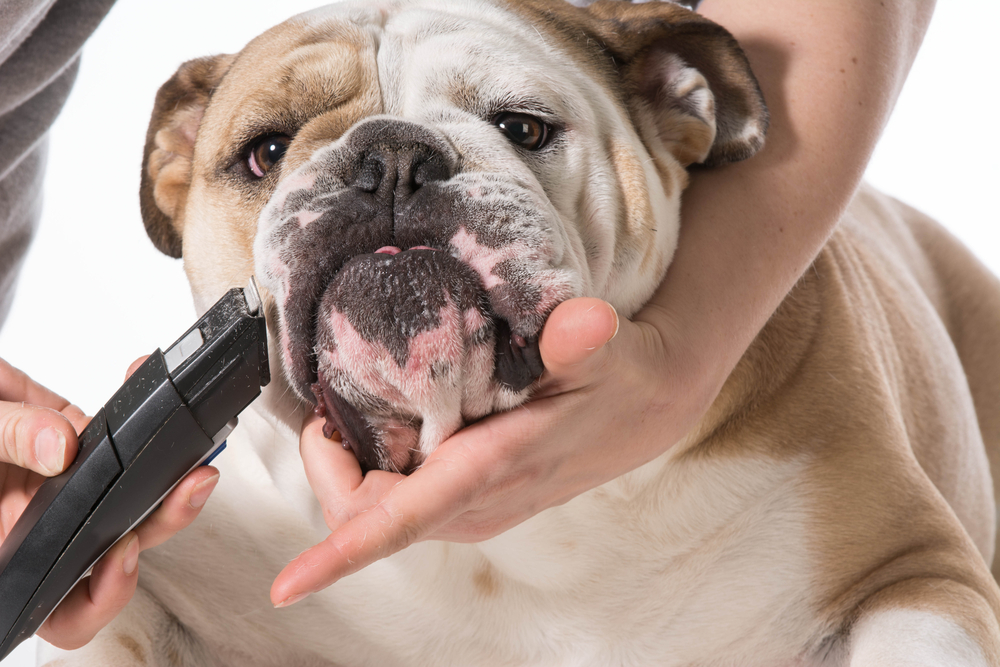
As dogs get older, grooming can become less about appearance and more about comfort, mobility, skin health, and keeping routine care manageable. For senior dogs in Bee Cave, hot Central Texas weather, dry conditions, seasonal allergens, and time spent outdoors can make a gentle, age-aware grooming routine especially valuable.
Quick answer: Senior dog grooming usually requires shorter, gentler sessions with more attention to sensitive skin, stiff joints, thinning coats, nails, paw pads, and areas that may be harder for an older dog to keep clean. Grooming frequency does not automatically decrease with age. Instead, the approach should be adjusted around the dog’s coat, mobility, comfort level, and changing health needs.
What local pet owners should know
-
Older dogs may have difficulty standing for long periods, so grooming sessions should prioritize comfort and manageable positioning.
-
Bee Cave’s warm climate can make coat and skin maintenance particularly useful for senior dogs that spend time outdoors.
-
Regular nail care becomes increasingly important when age-related changes make walking or maintaining traction more difficult.
-
Dogs living around Lake Travis, the Hill Country, and western Travis County may encounter dust, grasses, burrs, and outdoor debris that can become trapped in the coat or paws.
-
New lumps, irritated skin, sore areas, or sudden sensitivity discovered during grooming should be brought to a veterinarian’s attention.
How Does Grooming Change as a Dog Gets Older?
Grooming changes as a dog gets older because senior pets may have reduced mobility, more sensitive skin, changing coat condition, and less tolerance for long periods of standing or handling. A grooming routine that worked well at age five may need to be modified considerably as the same dog enters its senior years.
For pet owners in Bee Cave, these changes can become especially noticeable during warm weather. An older dog may tire more quickly during daily activities and may be less comfortable with a lengthy grooming session.
The goal is not necessarily to groom less. It is to groom more thoughtfully.
At Just Four Paws, we believe senior grooming should account for the individual dog’s comfort and changing needs. Our approach to an older pet should never assume that what worked years ago remains the best option today.
Why Does Senior Dog Grooming Matter in Bee Cave?
Senior dog grooming matters in Bee Cave because older pets can have changing skin, coat, nail, and mobility needs while still dealing with Central Texas heat, dust, grasses, and outdoor debris. Routine grooming also creates opportunities for owners and groomers to notice visible changes that might otherwise be hidden beneath the coat.
Dogs around the Texas Hill Country often move between air-conditioned homes and hot outdoor environments. Walks around neighborhoods near Falconhead, Spanish Oaks, or the broader Lake Travis area can also expose paws and coats to dirt and plant material.
Senior dogs may not scratch, stretch, shake out their coats, or clean themselves as effectively as they once did. That makes consistent coat and paw maintenance increasingly useful as mobility changes.
What Do We Observe During Grooming of Older Dogs?
During grooming, older dogs may show changes in their tolerance for handling, ability to stand, skin condition, coat texture, nails, and overall comfort. These are practical grooming observations rather than medical diagnoses, and unusual or concerning physical changes should be evaluated by a veterinarian.
An older dog that previously stood comfortably throughout grooming may start shifting weight or wanting to sit. Another may become sensitive around the hips, feet, ears, or other areas.
Grooming also provides a close look at areas owners do not necessarily see every day. Visible bumps, irritated spots, coat changes, or tenderness can be easier to notice while bathing, brushing, drying, or trimming.
What Are Common Signs a Senior Dog Needs Grooming Attention?
Common signs a senior dog needs grooming attention include overgrown nails, matting, dirty or irritated areas, coat changes, paw discomfort, and increasing difficulty staying clean. Bee Cave pet owners should also pay attention when a familiar grooming routine suddenly becomes uncomfortable for an aging dog.
Watch for:
-
Nails that have become noticeably long or affect the dog’s footing
-
Mats or tangles developing more quickly than usual
-
Greasy, flaky, unusually dry, or irritated-looking skin
-
Persistent debris caught around paws or between paw pads
-
Difficulty keeping the rear area clean
-
New sensitivity when certain areas are brushed or handled
-
Noticeable changes in coat thickness, texture, or shedding
-
New lumps, bumps, sores, or other visible skin changes
A groomer can help with grooming needs, but unexplained physical changes or signs of pain belong with your veterinarian.
When Should a Senior Dog See a Professional Groomer?
A senior dog should see a professional groomer when routine coat, nail, bathing, trimming, or hygiene needs become difficult to manage safely and comfortably at home. Professional grooming can be particularly helpful for older dogs with coats that mat easily or dogs whose owners cannot comfortably perform nail and sanitary care.
Between appointments, Bee Cave owners can brush appropriate coat types, inspect paws, and watch for tangles or debris. Stop home grooming if the dog appears painful, extremely distressed, or physically unable to tolerate the position required.
If grooming reveals bleeding, significant swelling, open sores, unexplained masses, or signs of pain, contact a veterinarian rather than trying to solve the problem through grooming alone.
What Common Age-Related Changes Affect Grooming?
The most common age-related grooming challenges involve mobility, skin and coat changes, nail maintenance, and reduced tolerance for prolonged handling. The exact combination differs from dog to dog, which is why senior grooming should be adjusted individually rather than based on age alone.
1. Reduced mobility
Stiffness or reduced mobility can make standing, lifting paws, turning, or changing positions more difficult. A gentler pace and careful handling may make grooming more manageable.
2. Skin and coat changes
Some older dogs develop changes in coat density, texture, oiliness, or dryness. Products and grooming techniques may need to be reconsidered if the skin becomes more sensitive.
3. Nail changes
Less-active senior dogs may naturally wear their nails down less. Long nails can also make comfortable footing more difficult, particularly on smooth indoor floors.
4. Lower tolerance for long sessions
Older dogs may simply tire sooner. Comfort and patience become increasingly important when deciding how much grooming to complete at once.
Around Bee Cave and the Lake Travis area, outdoor exposure can add dust, grasses, and plant debris to these age-related challenges.
How Can You Make Grooming Easier for a Senior Dog?
You can make grooming easier for a senior dog by maintaining a consistent schedule, preventing severe tangles, monitoring nails and paws, and keeping home sessions short and comfortable. Preventive care is usually easier on an older pet than waiting until extensive grooming work becomes necessary.
Brush your dog as appropriate for the coat type, especially after outdoor time around Hill Country grasses or brush. Check paws for debris and monitor nail length regularly.
Avoid forcing an older dog to stand or remain in an uncomfortable position simply to finish a grooming task. If your pet struggles with routine care, professional grooming or veterinary guidance may be appropriate.
What Results Should Owners Expect From Senior Dog Grooming?
Owners should expect senior grooming to focus on cleanliness, coat manageability, nail maintenance, hygiene, and the dog’s comfort rather than pursuing a demanding cosmetic result. The appropriate outcome depends on the dog’s coat, condition, mobility, temperament, and individual grooming needs.
For some senior pets, maintaining a practical coat length can make brushing and hygiene easier. Others may simply need regular bathing, brushing, nail care, and targeted trimming.
A successful grooming plan is one that remains realistic as the dog ages.
What Senior Dog Grooming Mistakes Should Owners Avoid?
The biggest senior grooming mistakes are waiting too long between care, forcing uncomfortable positions, ignoring nail growth, and assuming every physical change is simply part of aging. A better approach is to keep grooming manageable and respond when your dog’s needs begin to change.
Mistake: Waiting until the coat is heavily tangled.
Consequence: Removing significant matting can require more handling than routine maintenance.
Better approach: Brush appropriately and maintain a grooming schedule suited to the coat.
Mistake: Expecting an older dog to stand like a younger dog.
Consequence: A long session may become tiring or uncomfortable.
Better approach: Prioritize comfort and adapt handling to the individual pet.
Mistake: Ignoring unusual skin changes.
Consequence: A potentially important issue may go unnoticed.
Better approach: Ask a veterinarian about new sores, lumps, swelling, or unexplained irritation.
What Is a Common Senior Grooming Scenario in Bee Cave?
A common senior grooming scenario in Bee Cave is a longtime family dog that still needs regular coat and nail care but no longer tolerates grooming exactly as it once did. The dog may sit more frequently, dislike having a leg positioned a certain way, or become tired sooner.
This is a general scenario, not a Just Four Paws case study.
For an older dog living near Bee Cave, West Lake Hills, or Lakeway, outdoor activity and Central Texas conditions can continue even as mobility decreases. The grooming routine therefore needs to keep up with coat and hygiene needs while respecting the dog’s changing physical limits.
Which Grooming Services Can Help Senior Dogs?
Senior dogs can benefit from services such as bathing, brushing, coat trimming, nail care, and hygiene-focused grooming when those services are appropriate for the individual pet. The best combination depends on coat type, current condition, mobility, and tolerance for grooming.
We can help pet owners think through a practical grooming routine based on what their older dog needs now rather than what the dog needed years ago.
Is DIY or Professional Grooming Better for an Older Dog?
DIY grooming works well for simple maintenance that a senior dog comfortably tolerates, while professional grooming can help with tasks that are difficult, time-consuming, or challenging to perform safely at home. Many Bee Cave families use a combination of routine home brushing and scheduled professional care.
Home care may be appropriate for light brushing, coat checks, and paw inspections. Professional help becomes more useful when nails, matting, coat trimming, bathing, or physical handling become difficult.
Veterinary care is the appropriate next step when the concern involves pain, unexplained skin changes, wounds, masses, or other possible medical issues.
Where Can Local Senior Dogs Receive Grooming Care?
Senior dog owners in Bee Cave can look for grooming care that prioritizes individual comfort, appropriate handling, and realistic coat maintenance. We serve local pet families in the area, including residents from surrounding western Travis County and nearby Hill Country communities.
Pet owners coming from Lakeway, the Lake Travis area, and neighboring communities may face many of the same warm-weather and outdoor grooming considerations.
What Can Happen If Senior Grooming Needs Are Ignored?
Ignoring a senior dog’s grooming needs can allow nails, tangles, hygiene problems, and trapped debris to become harder to manage over time. For an aging pet with reduced mobility, dealing with a large grooming problem may also require more handling than preventing it through routine maintenance.
The goal is not to create unnecessary urgency. It is to keep small grooming needs from becoming bigger, less comfortable tasks.
Frequently Asked Questions About Senior Dog Grooming
How often should a senior dog be groomed in Bee Cave?
A senior dog’s grooming frequency should be based on coat type, lifestyle, nail growth, skin condition, and ability to stay clean rather than age alone. Bee Cave dogs that spend substantial time outdoors may need regular coat and paw checks between appointments because dust, grasses, and debris can accumulate.
Do senior dogs need shorter grooming sessions?
Some senior dogs benefit from shorter or differently paced grooming sessions because prolonged standing and handling can become tiring. The right approach depends on the individual dog. Owners in Bee Cave should tell their groomer about mobility limitations, new sensitivities, or recent changes that could affect the grooming experience.
Does Central Texas weather affect senior dog grooming?
Central Texas weather can influence coat, paw, and skin maintenance because dogs may encounter heat, dry conditions, grasses, dust, and seasonal outdoor debris. Senior pets around western Travis County may also be less able to manage discomfort or clean themselves effectively, making routine observation particularly useful.
Should an older dog’s nails be checked more often?
Older dogs should have their nails monitored regularly, especially if reduced activity means the nails are receiving less natural wear. Nail growth varies by dog, so there is no single schedule for every pet. Long nails can also complicate footing for a senior dog that already has mobility challenges.
Can I groom my senior dog at home?
Yes, many senior dogs can receive basic grooming at home when they comfortably tolerate brushing, paw checks, and other simple maintenance. Stop if your dog shows pain or significant distress. For Bee Cave owners, professional help may be preferable when matting, nail care, trimming, or handling becomes difficult.
What should I tell a groomer about my senior dog?
Tell the groomer about mobility limitations, sensitive areas, changes in behavior during handling, and anything else that could affect comfort during the appointment. Clear information helps the grooming approach reflect the dog’s current needs. Relevant veterinary guidance should also be shared when it affects how the pet can safely be handled.
What if a groomer finds a lump or irritated area?
A new lump, sore, swelling, or unexplained irritated area should be evaluated by your veterinarian rather than diagnosed through grooming. Grooming can make hidden areas easier to notice, but it is not a substitute for veterinary diagnosis. Bee Cave pet owners should follow up promptly when a physical change seems concerning.
Is grooming still important if my senior dog stays mostly indoors?
Yes, indoor senior dogs still need appropriate coat, nail, paw, and hygiene care even if they spend little time outside. Reduced activity can actually make some maintenance needs more noticeable. A dog’s grooming schedule should reflect coat type, physical condition, lifestyle, and individual needs rather than outdoor activity alone.
Help Your Senior Dog Stay Comfortable and Well Groomed
Aging changes what dogs need from their grooming routine. For families in Bee Cave and surrounding Hill Country communities, thoughtful grooming can help keep coat, nails, paws, and hygiene manageable while respecting an older dog’s changing comfort and mobility.
Give Your Senior Dog Grooming Care That Fits Their Needs Now
We focus on practical grooming that takes your pet’s individual needs into account.